Table of Contents
If you or a loved one are navigating the NDIS, you’ve likely come across NDIS SIL (Supported Independent Living)—and just as likely, some confusing or misleading information.
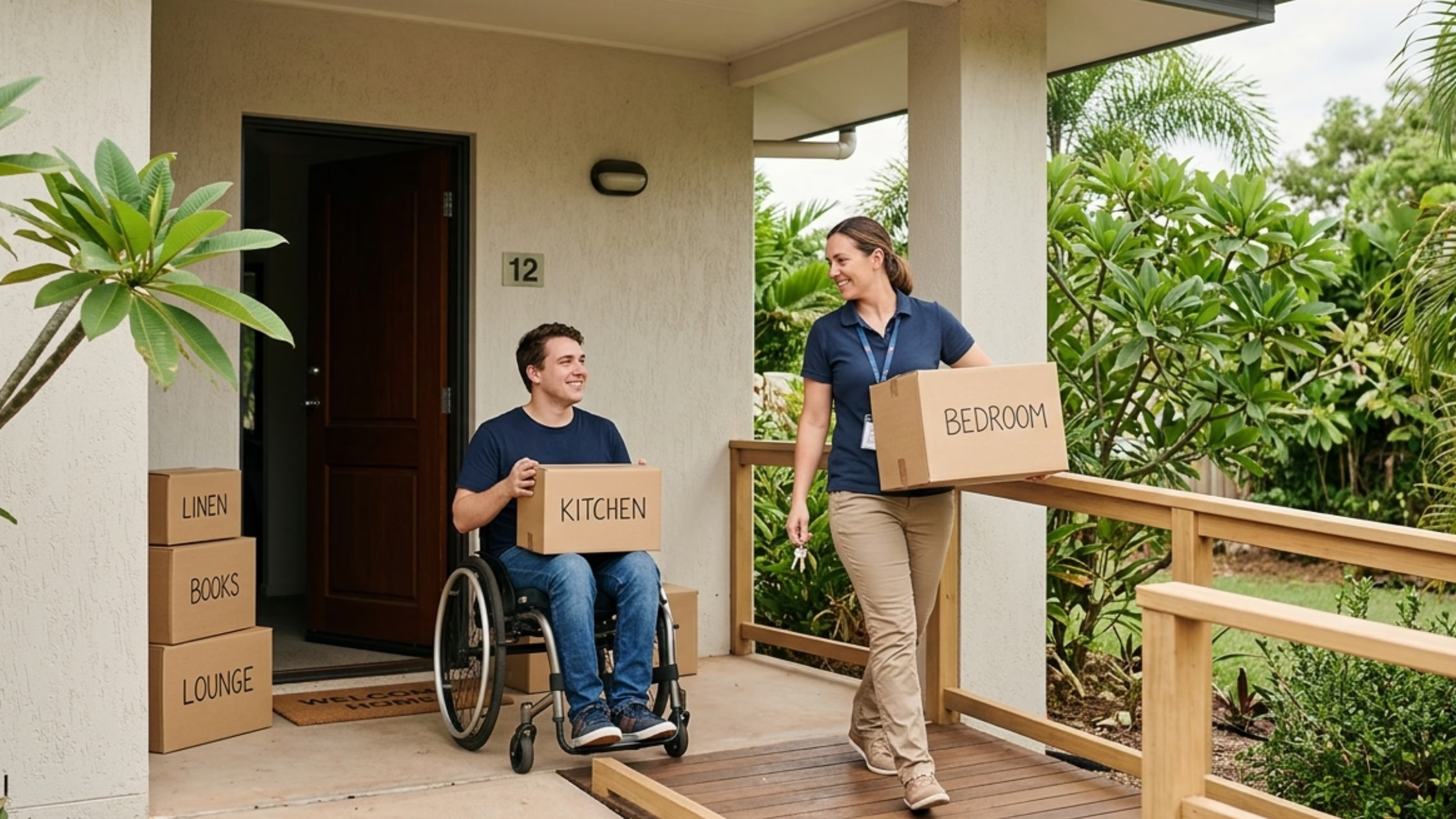
These myths can do real damage. They stop people from applying, delay support, or lead to missed opportunities for better living arrangements.
The truth? NDIS SIL is more accessible and flexible than many people think.
In this guide, we break down 7 common NDIS SIL myths—and explain what’s actually true so you can make informed decisions and get the support you deserve.
What Is NDIS SIL?
NDIS Supported Independent Living is a funded support under the National Disability Insurance Scheme that helps people with disabilities live as independently as possible.
It typically covers:
- Daily personal care
- Assistance with household tasks
- Support with routines and skill development
- 24/7 or shared support arrangements
SIL funding focuses on support services, not rent or property costs.
Myth 1: NDIS SIL Is Only for People With Severe Disabilities
The Truth:
NDIS SIL is for people who need regular or ongoing support, not just those with the most complex needs.
While higher support needs increase eligibility, many participants qualify if they:
- Require daily assistance
- Cannot safely live alone without support
- Need help building independent living skills
It’s about functional needs, not just diagnosis.
Myth 2: You Must Live in a Group Home to Get NDIS SIL
The Truth:
NDIS SIL supports different living arrangements, including:
- Shared homes
- Individual living (in some cases)
- Specialist Disability Accommodation (SDA) setups
You are not limited to traditional group homes.
The NDIS aims to give participants choice and control over where and how they live.
Myth 3: NDIS SIL Covers Rent and Living Expenses
The Truth:
NDIS SIL funding does NOT cover:
- Rent
- Groceries
- Utility bills
It only funds support services.
However, participants may access other supports or payments to help with living costs.
Myth 4: It’s Too Hard to Qualify for NDIS SIL
The Truth:
Yes, SIL requires strong evidence—but it’s not impossible.
To qualify, you need:
- Functional assessments
- Support reports
- Evidence showing why SIL is “reasonable and necessary”
Many applications fail due to poor documentation, not ineligibility.
Myth 5: You Lose Independence with NDIS SIL
The Truth:
NDIS SIL is designed to increase independence, not reduce it.
Support workers help you:
- Build daily living skills
- Make your own decisions
- Gain confidence
The goal is empowerment, not dependency.
Myth 6: You Can’t Choose Your Support Provider
The Truth:
Under the NDIS, you have full choice and control.
You can:
- Choose your SIL provider
- Change providers if needed
- Decide how supports are delivered
This flexibility is a core principle of the NDIS.
Myth 7: NDIS SIL Is Permanent Once Approved
The Truth:
NDIS SIL funding is reviewed regularly.
Your support may change based on:
- Your progress
- Changes in needs
- Plan reassessments
SIL is flexible and evolves with your situation.
Why These NDIS SIL Myths Matter
Believing these myths can lead to:
- Delayed access to support
- Missed funding opportunities
- Reduced quality of life
According to the National Disability Insurance Agency, participant outcomes improve significantly when supports are tailored correctly—including SIL arrangements.
How to Improve Your Chances of Getting NDIS SIL
Practical Tips:
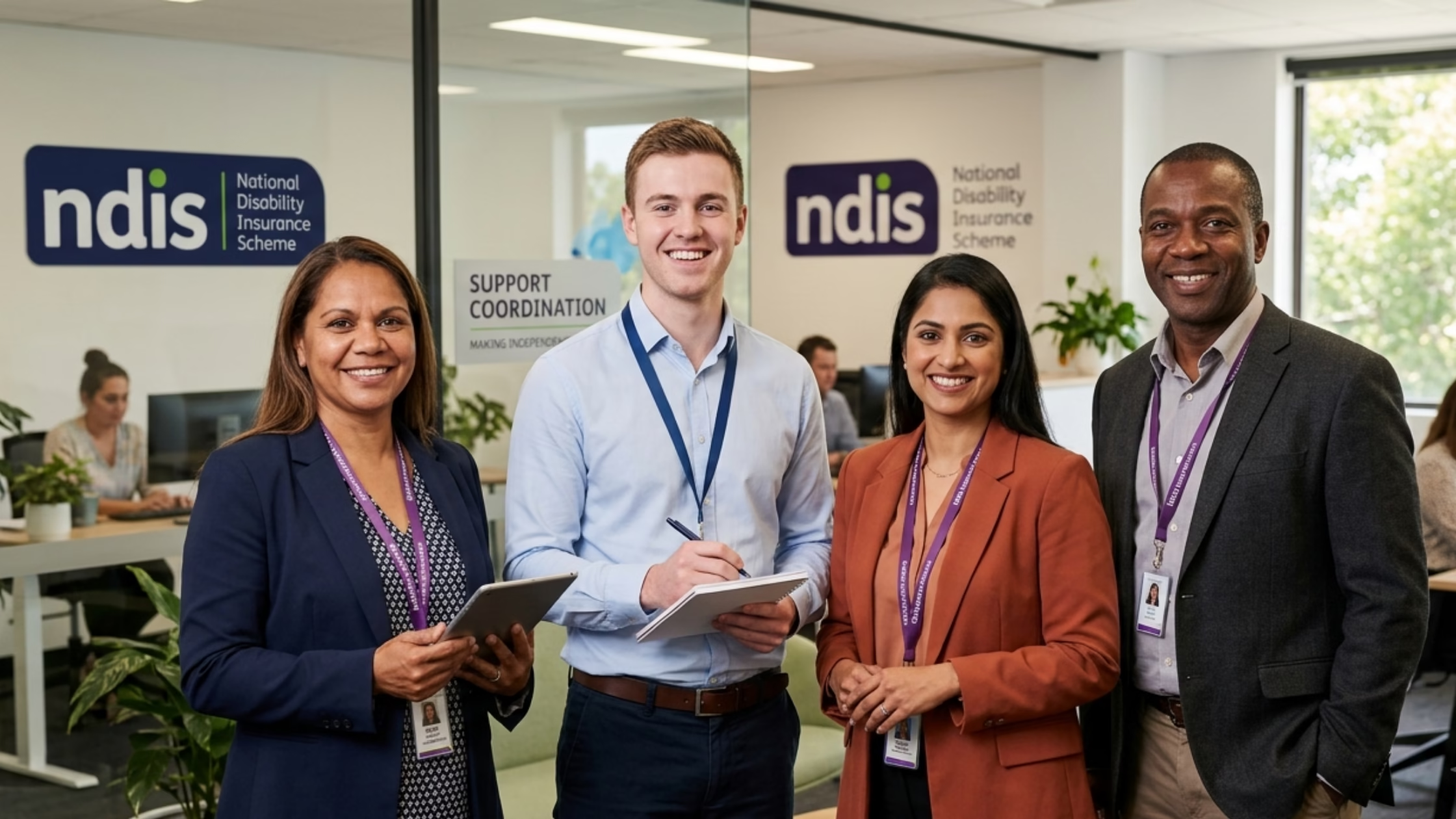
- Work with an experienced support coordinator
- Get detailed functional assessments
- Provide clear evidence of daily support needs
- Document risks of living without support
- Choose providers who understand SIL funding
Preparation is the key difference between approval and rejection.
Signs You May Be Eligible for NDIS SIL
You may qualify if you:
- Need daily personal support
- Cannot safely live independently
- Require supervision or assistance regularly
- Have goals related to independent living
Final Thoughts
NDIS SIL can be life-changing—but only if you understand how it really works.
By moving past these common myths, you can make informed decisions, explore your options confidently, and access the support that genuinely improves your independence and quality of life.