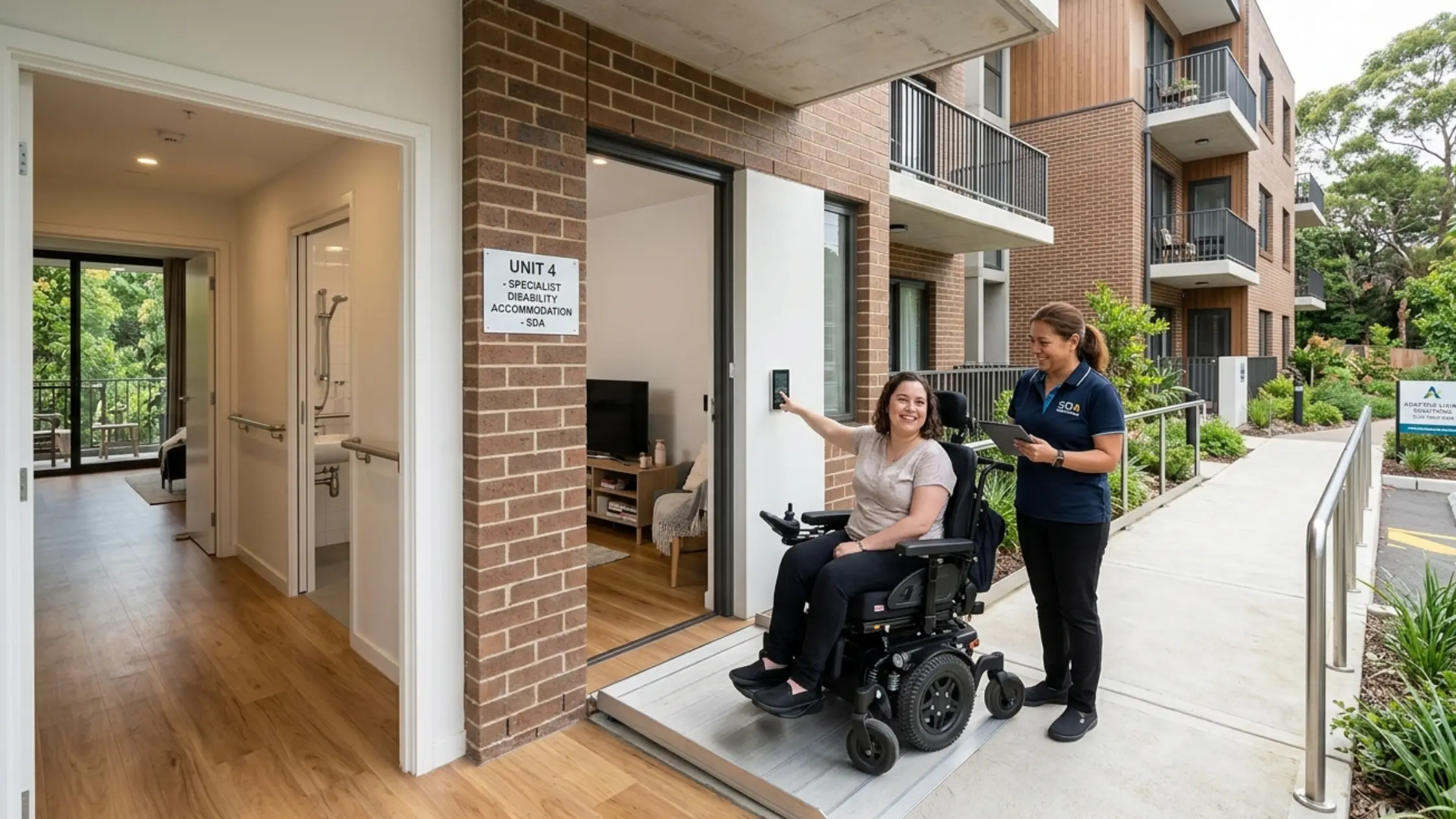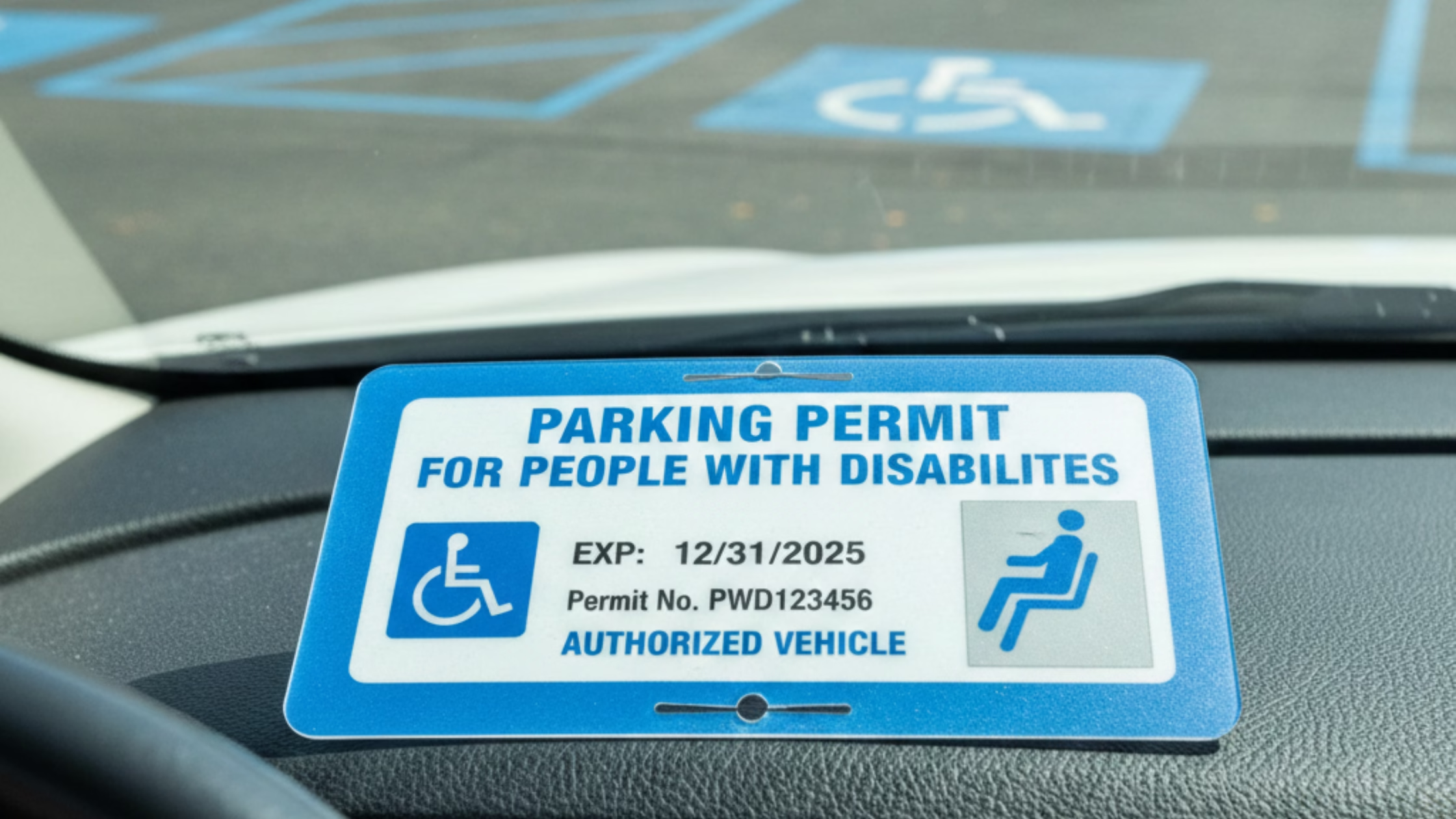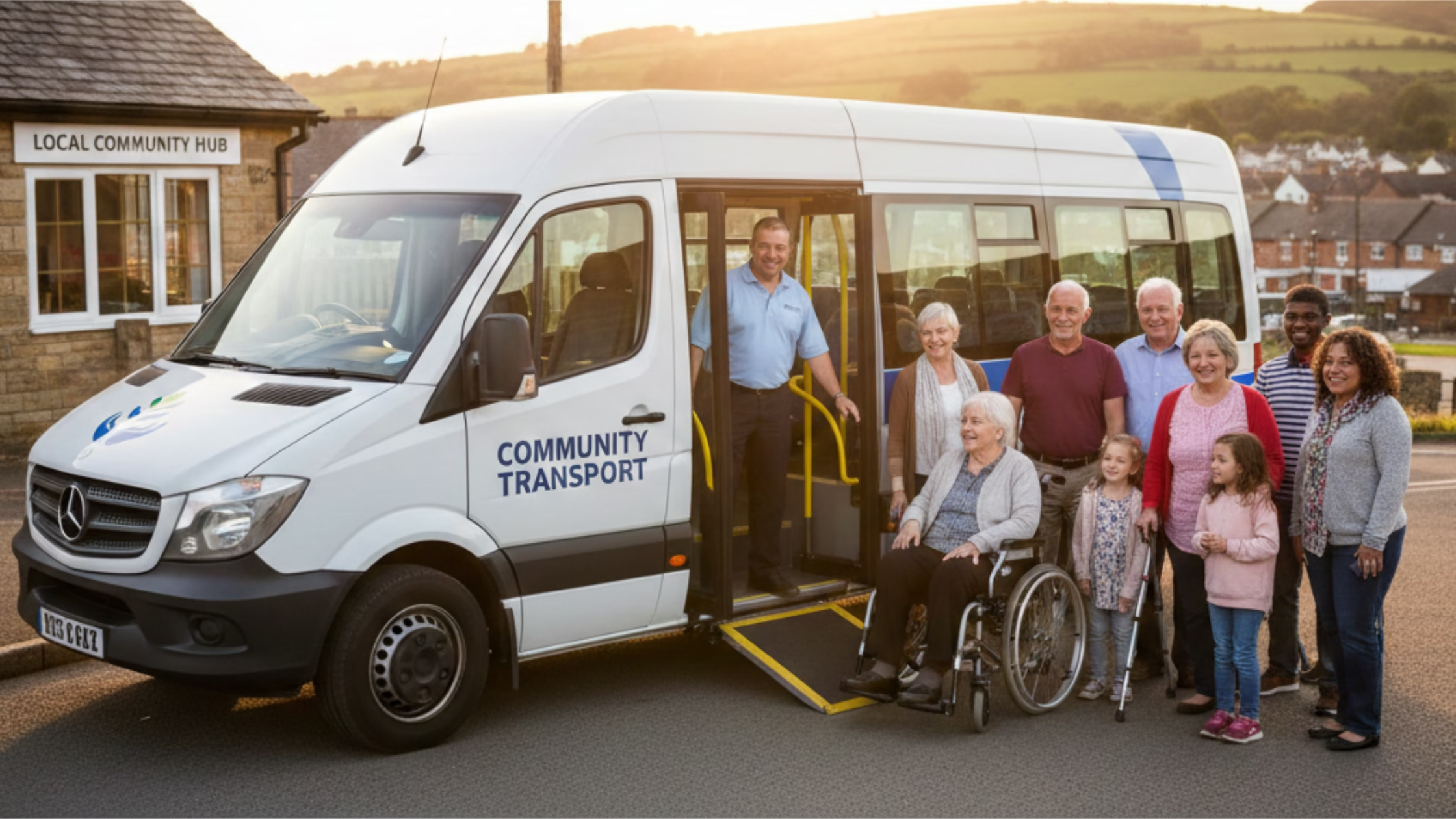
The Mobility Parking Scheme is an Australian program that provides special parking permits and concessions for people with a NDIS permanent disability that significantly affects their mobility. It allows eligible drivers or passengers to use designated accessible parking bays and, in many cases, park for longer or closer to their destination than standard rules allow. This support is designed to make everyday activities—like attending medical appointments, shopping, working, or socialising—safer and more manageable for people who find walking distances difficult or rely on mobility aids.
Understanding the Mobility Parking Scheme
The Mobility Parking Scheme, also known as the Australian Disability Parking Scheme (ADPS), helps people with mobility limitations or vision impairments park closer to their destinations. This national program ensures that eligible individuals receive consistent parking benefits across Australia, making interstate travel much simpler than before.
At the heart of this scheme is the Australian Disability Parking Permit, which has replaced over 100 different permit types that previously existed across the country. This standardisation means that your permit works seamlessly whether you’re in Sydney, Melbourne, Perth, or anywhere else in Australia.
What Benefits Does a Mobility Parking Scheme Provide?
A mobility parking permit opens up several parking advantages that directly address the challenges faced by people with disabilities. Permit holders can park in designated accessible parking spaces marked with the International Symbol of Access—those spots closer to building entrances that are specifically designed for easier vehicle access.
Beyond these designated spaces, the permit provides extended parking times in regular parking areas. Where parking is normally limited to less than 30 minutes, permit holders can typically park for up to 60 minutes. In zones with 30-minute to one-hour limits, permit holders usually receive up to two hours of parking time. These extended periods ensure that individuals have adequate time to complete their activities without the stress of rushing back to move their vehicle.
However, it’s important to note that these concessions apply to street parking and council car parks. Privately operated car parks with boom gates operate under different rules, and no automatic concessions apply in these areas.
Who Qualifies for a Mobility Parking Scheme?
Eligibility for the Mobility Parking Scheme focuses on genuine mobility limitations that affect daily life. You may qualify if you meet any of these criteria:
You cannot walk due to permanent or temporary loss of use of one or both legs. This includes conditions resulting from paraplegia, leg amputation, or similar circumstances that significantly restrict leg function.
Your physical condition deteriorates when walking 100 metres. This applies to people with chronic respiratory, cardiac, or arthritic conditions that severely impact mobility and make even short distances challenging.
You require continuous use of mobility aids such as crutches, walking frames, callipers, wheelchairs, scooters, or similar equipment to move around safely and independently.
You are legally blind according to medical criteria. In most jurisdictions, this means visual acuity on the Snellen Scale after correction must be less than 6/60 in both eyes, or a field of vision restricted to 10 degrees of arc from fixation in the better eye.
Some states are expanding eligibility to include people with significant cognitive, behavioural, or neurological impairments that prevent safe independent movement. This particularly helps parents and carers of children with conditions like autism who need accessible parking for safety reasons in high-traffic areas.
Your condition must be permanent or expected to last at least six months. Temporary permits are available for shorter-term disabilities, while permanent conditions receive longer-term permits. This often overlaps with NDIS eligibility, as many people who qualify for the scheme also meet criteria for NDIS funding and supports.
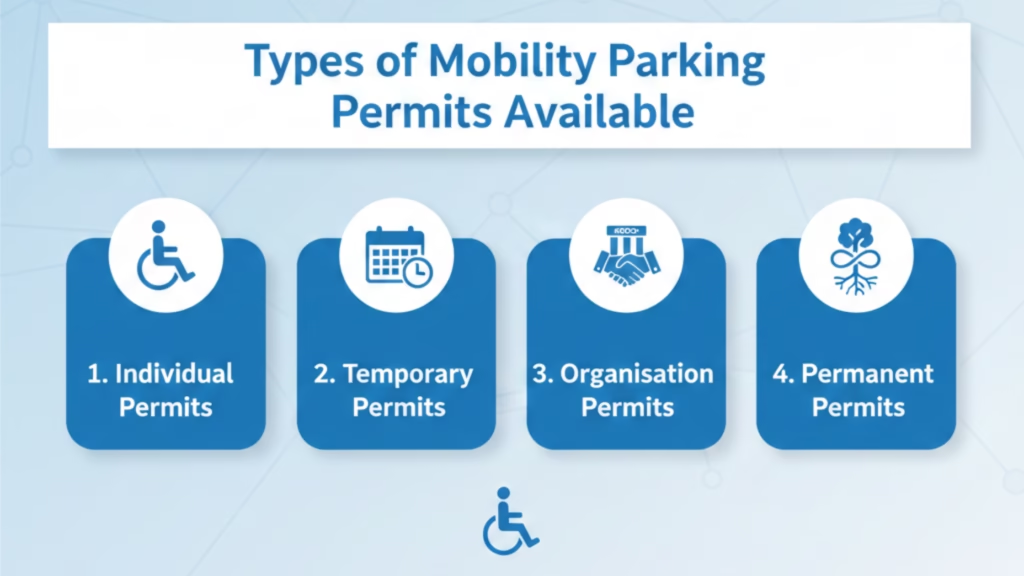
Types of Mobility Parking Permits Available
The mobility parking scheme application process offers different permit types based on individual needs:
Individual Permits are issued to people who meet the eligibility criteria. These permits are personal and include your photo in some states to prevent misuse. They’re not tied to a specific vehicle, meaning you can use them in any car you’re travelling in as a driver or passenger.
Temporary Permits suit people recovering from surgery, accidents, or temporary medical conditions affecting mobility. These are typically issued for six months to two years, depending on your expected recovery time.
Organisation Permits are available for businesses, charities, and community organisations that regularly transport people with disabilities. Unlike individual permits, these are assigned to specific vehicles by registration number.
Permanent Permits are for people with lifelong or long-term disabilities that significantly impact mobility. These are issued for longer periods, typically five years, before renewal is required.
How to Apply for Your Mobility Parking Permit
The mobility parking permit application process varies slightly across states and territories, but the general steps remain consistent:
Step 1: Obtain the Application Form
Download the application form from your state or territory transport authority website, or collect one from a service centre. Each state manages its own program, so ensure you use the correct form for your location.
Step 2: Complete Your Section
Fill in your personal details, including identification information and contact details. You’ll need to describe how your condition affects your mobility and daily activities. If you’re already receiving support like NDIS transport services, you can refer to similar information you’ve provided in your NDIS plan when explaining your functional limitations.
Step 3: Medical Assessment
Your doctor, occupational therapist, or specialist must complete the medical assessment section. They’ll certify that you meet the eligibility criteria and provide details about your condition. If applying based on legal blindness, an eye specialist must complete this section, or you can present your Pension Concession Card endorsed as “disability BLIND.”
Step 4: Submit Your Application
You can typically submit your application online, in person at a service centre, or by post. Each method has specific requirements, so check your state’s guidelines. NSW residents must attend in person or apply online through MyServiceNSW, while other states offer more flexible submission options.
Step 5: Pay the Application Fee
Fees vary by state. NSW charges around $52 for new permits (free with eligible concessions), Queensland charges $19.75, while the ACT, Victoria, and Tasmania offer free permits.
Note: Check current fees, as these may change.
Step 6: Receive Your Permit
Processing times typically range from 10 to 28 days. Your permit will be posted to your address or, in some cases, like the ACT, can be issued immediately if you apply in person.
Important Rules for Using Your Permit
Understanding proper permit usage helps avoid fines and ensures the system remains fair for everyone who needs it. Your permit must be clearly displayed whenever parking in accessible spaces or using extended parking times. Hook-style permits should hang from the rear-view mirror, while card-style permits must be visible on the dashboard.
The permit is strictly personal. It can only be used when you’re actually in the vehicle, whether you’re driving or being transported as a passenger. Family members cannot use your permit to park in accessible spaces when you’re not with them—this constitutes misuse and can result in heavy fines.
Remove hook-style permits before driving to prevent them from obstructing your view. Keep the permit in good condition and report lost or stolen permits immediately to your issuing authority.
Remember that disability parking spaces are a necessity, not a convenience. Using them without a genuine need or with an invalid permit prevents access for people who truly require these facilities.
Moving Interstate with Your Permit
One of the significant advantages of the standardised Australian Disability Parking Permit is its national recognition. If you permanently move to another state, you’ll typically have 14 days to apply for a local permit. Until then, your existing permit remains valid, ensuring continuity of access during your relocation.
When travelling temporarily interstate, your home state permit works throughout Australia. However, always check local parking rules and regulations, as some specific parking conditions may vary between jurisdictions.
Getting Support with Your Application
At TK Community Care, we understand that navigating the mobility parking scheme application can feel overwhelming, especially when dealing with health challenges. Our experienced support workers can help you understand the process, gather necessary documentation, and complete your application accurately.
We also provide disability transport services for approved permit holders, helping you attend appointments, participate in community activities, and maintain your independence. Our person-centred approach ensures that you receive assistance tailored to your specific needs and goals.
Take the Next Step
Don’t let parking challenges prevent you from participating fully in your community. Contact TK Community Care today to discuss how we can support you through the application process and provide ongoing assistance with your daily activities. Together, we’ll help you maintain the independence and dignity you deserve.