Table of Contents
A Functional Capacity Assessment (FCA) is an assessment used by the NDIS to evaluate how a person’s disability or health condition affects their ability to manage everyday activities, live independently, and participate in the community.
An NDIS Functional Capacity Assessment is usually completed by an occupational therapist or other allied health professional and provides detailed evidence about the supports, therapies, assistive technology, or funding a participant may need.
The FCA report plays an important role in:
- Accessing the NDIS
- Requesting additional funding
- Supporting NDIS plan reviews
- Applying for assistive technology or home modifications
- Demonstrating changes in support needs over time
Because the NDIS funds support based on functional impact rather than diagnosis alone, a well-prepared Functional Capacity Assessment can significantly influence the level of support a participant receives.
Why is Functional Capacity Important for the NDIS?
The NDIS focuses on how a disability affects a person’s daily life, independence, and ability to participate in everyday activities.
This means the NDIS does not provide funding simply because a person has a medical diagnosis. Instead, it looks at how that condition impacts functional capacity.
An FCA helps demonstrate:
- What tasks a participant can complete independently
- Where daily support is required
- How mobility, communication, learning, or self-care are affected
- What supports could improve independence and quality of life
- Whether current supports are adequate
A detailed NDIS Functional Capacity Assessment gives planners and decision-makers clearer evidence about the participant’s real-world support needs.
What Does an NDIS Functional Capacity Assessment Cover?
A Functional Capacity Assessment typically evaluates several areas of daily living and independence.
Communication
This assesses how a participant understands and expresses information through verbal communication, written communication, body language, or assistive communication devices.
Social Interaction
The assessor evaluates the participant’s ability to interact with others, build relationships, engage in social settings, and participate in community activities.
Learning and Decision-Making
This area examines problem-solving, memory, concentration, information processing, and decision-making abilities. In some cases, participants may also benefit from Life Skills Training to improve independence, confidence, and everyday decision-making.
Mobility
Mobility assessments focus on how safely and independently a participant can move around at home and in the community. The assessment may also help support applications for mobility-related supports, including the mobility parking scheme where appropriate.
Self-Care
The assessor reviews daily activities such as:
- Showering
- Dressing
- Eating
- Toileting
- Medication management
- Personal hygiene
Self-Management
This includes evaluating a participant’s ability to:
- Manage appointments
- Maintain routines
- Budget finances
- Organise daily responsibilities
- Manage health-related tasks
Depending on the participant’s situation, the FCA may also assess:
- Home living skills
- Employment capacity
- Community participation
- Behavioural support needs
- Assistive technology requirements
- Home modification needs
Who Conducts a Functional Capacity Assessment?
Most NDIS Functional Capacity Assessments in Australia are completed by occupational therapists because they specialise in daily living, independence, and functional abilities.
In some cases, other allied health professionals may also contribute to the assessment, including:
- Physiotherapists
- Speech pathologists
- Psychologists
- Behaviour support practitioners
It is important to choose a professional who:
- Has experience with your disability type
- Understands NDIS reporting requirements
- Is registered with AHPRA where applicable
- Has experience preparing evidence-based FCA reports
An experienced assessor can make a significant difference to the quality and effectiveness of the report submitted to the NDIS.
How Does the FCA NDIS Process Work?
The FCA NDIS process is generally straightforward but detailed.
Step 1: Referral or Booking
An FCA can be arranged by:
- The participant
- A family member or carer
- A support coordinator
- A Local Area Coordinator (LAC)
- A healthcare professional
Step 2: Initial Consultation
The assessor gathers information about:
- Medical history
- Daily routines
- Goals and challenges
- Current supports
- Living arrangements
Step 3: Functional Assessment
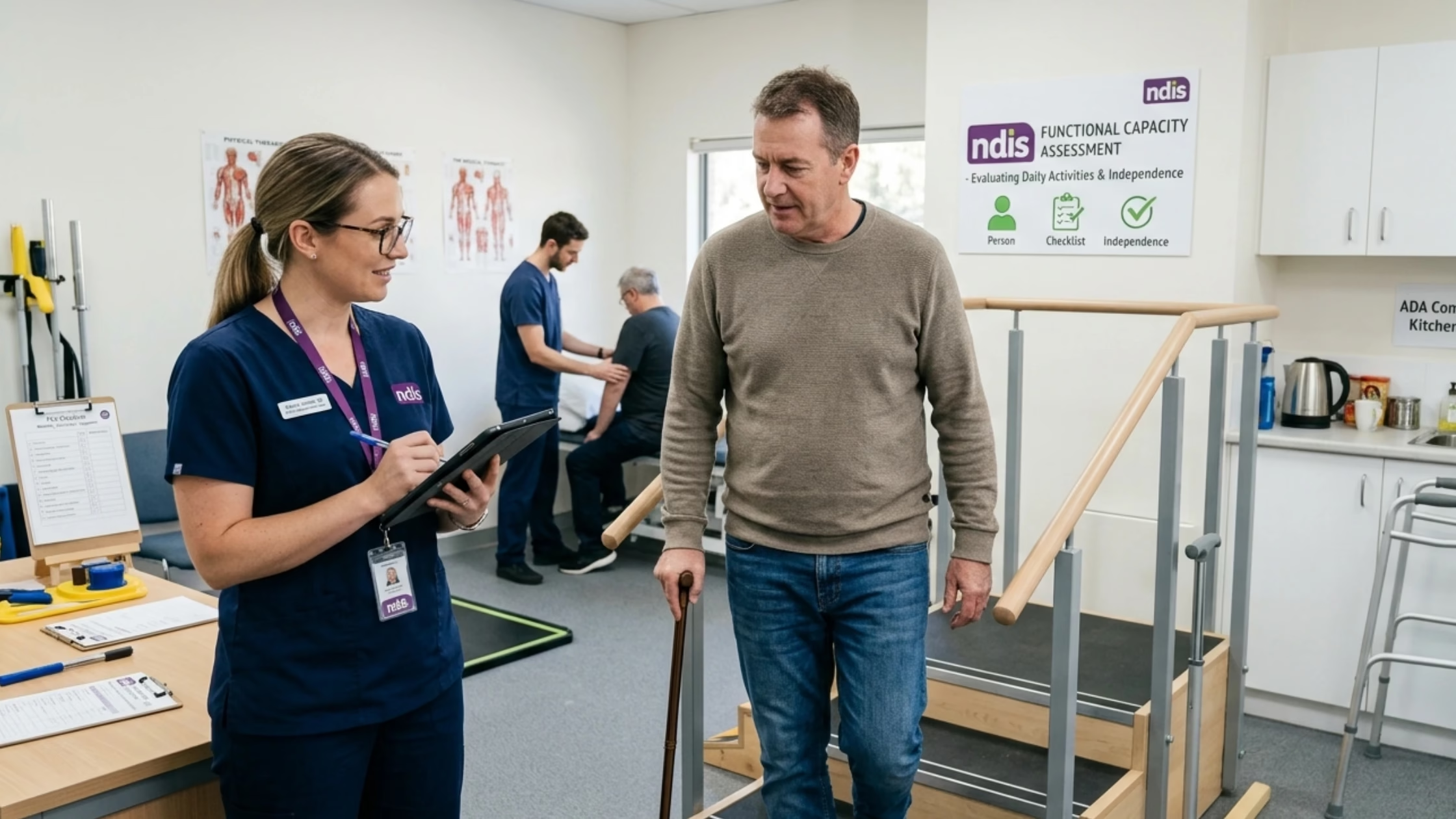
The assessor observes how the participant performs daily activities and identifies areas where support may be needed.
They may assess:
- Mobility
- Communication
- Household tasks
- Community access
- Social participation
- Safety and independence
Step 4: FCA Report Writing
After the assessment, the allied health professional prepares a detailed Functional Capacity Assessment report outlining:
- Functional strengths
- Limitations
- Risks
- Support recommendations
- Therapy recommendations
- Assistive technology recommendations
Step 5: NDIS Submission
The FCA report is submitted to the NDIS as supporting evidence for funding decisions, plan reviews, or support requests.
When Do You Need a Functional Capacity Assessment?
A Functional Capacity Assessment may be beneficial in several situations.
Applying for the NDIS
An FCA can help demonstrate how a disability impacts daily life and functional independence.
Preparing for an NDIS Plan Review
Participants often use updated FCA reports to justify changes to their funding or support needs.
Requesting Additional Funding
If current supports are insufficient, an FCA provides evidence explaining why extra funding may be required.
Applying for Assistive Technology or Home Modifications
The NDIS may request detailed functional evidence before approving:
- Wheelchairs
- Mobility aids
- Bathroom modifications
- Communication devices
- Home accessibility improvements
When Support Needs Change
An FCA can document deterioration, increased risks, or changing care requirements over time.
Functional Capacity Assessment vs Other NDIS Assessments
Many participants confuse an FCA with other NDIS assessments. However, each assessment has a different purpose.
| Assessment Type | Main Purpose |
| Functional Capacity Assessment (FCA) | Evaluates how a disability affects everyday functioning, independence, and daily living |
| Specialist Disability Assessment | Focuses on diagnosis, medical evidence, and disability-specific needs |
| Support Needs Assessment | Identifies the type and level of supports required |
| Eligibility Assessment | Determines whether a person meets NDIS access requirements |
The Functional Capacity Assessment is unique because it focuses specifically on practical day-to-day functioning and support needs.
How Much Does a Functional Capacity Assessment Cost?
The cost of an FCA can vary depending on:
- Assessment complexity
- Number of hours required
- Report length
- Provider experience
- Travel requirements
In Australia, Functional Capacity Assessments commonly range from several hundred to several thousand dollars depending on the participant’s needs.
Most participants do not pay privately if their NDIS plan includes funding under:
- Capacity Building
- Improved Daily Living
Your support coordinator or provider can help confirm whether your plan includes FCA funding.
How is an FCA Funded Through the NDIS?
The NDIS generally funds Functional Capacity Assessments under the:
Capacity Building — Improved Daily Living Budget
This funding category may cover:
- Occupational therapy assessments
- Allied health assessments
- Functional reports
- Therapy recommendations
Before booking an assessment, it is important to check:
- Available funding
- Remaining budget
- Whether the provider is suitable for your needs
What Does an FCA Report Include?
A high-quality FCA report provides detailed evidence linking a participant’s disability to their daily support requirements.
Most Functional Capacity Assessment reports include:
Participant Background
- Medical history
- Disability background
- Current living arrangements
- Existing supports
Assessment Findings
- Observations from assessment sessions
- Functional strengths and limitations
- Safety concerns and risks
- Impact on independence
Support Recommendations
Recommendations may include:
- Support workers
- Occupational therapy
- Physiotherapy
- Assistive technology
- Community participation supports
- Behavioural supports
- Home modifications
Goal-Based Recommendations
The report should connect recommendations directly to the participant’s NDIS goals and daily living outcomes.
A strong FCA report helps the NDIS understand why specific supports are reasonable and necessary.
What Happens After the Functional Capacity Assessment?
After the assessment is completed, the allied health professional finalises and submits the report.
The report may then be used for:
- NDIS funding requests
- Plan reassessments
- Support coordination
- Appeals or reviews
- Assistive technology applications
Your support coordinator or Local Area Coordinator may discuss the report with you during planning meetings.
If you disagree with any findings, you can:
- Request clarification from the assessor
- Provide additional evidence
- Seek a second opinion
How to Prepare for a Functional Capacity Assessment
Preparing for an FCA can help ensure the assessor gains an accurate understanding of your daily challenges and support needs.
Before the Assessment:
- Gather medical reports and previous assessments
- Make notes about daily challenges
- Consider areas where you need support
- Think about your personal goals
- Prepare questions for the assessor
During the Assessment:
Be honest about your challenges and support needs. Many participants unintentionally understate their difficulties, which can affect funding outcomes.
Explain:
- Tasks you struggle with
- Fatigue or pain levels
- Safety concerns
- Support you currently receive
- Activities you avoid because of your disability
Providing clear and accurate information helps create a more effective FCA report.
Common Mistakes People Make During an FCA
1. Minimising Difficulties
Some participants downplay their daily challenges, which may result in reduced funding recommendations.
2. Forgetting Fluctuating Symptoms
Conditions that vary from day to day should still be fully explained during the assessment.
3. Not Providing Supporting Evidence
Medical reports, therapy notes, and previous assessments can strengthen your FCA evidence.
4. Choosing an Inexperienced Provider
Poor-quality reports may fail to clearly justify support needs to the NDIS.
How to Choose the Right Functional Capacity Assessment Provider
The quality of your FCA report can directly affect your NDIS outcomes.
When choosing a provider, consider:
- Their experience with your disability type
- Their knowledge of NDIS reporting requirements
- Whether they are registered with AHPRA where required
- Their report turnaround time
- Whether they offer home-based or community assessments
- Their communication style and participant approach
A good provider should make the process supportive, respectful, and person-centred.
How TK Community Care Can Help
At TK Community Care, we understand that navigating the NDIS and Functional Capacity Assessment process can feel overwhelming.
Our team supports participants by helping them:
- Understand the FCA process
- Connect with experienced allied health professionals
- Prepare for assessments
- Navigate NDIS plan reviews
- Access the supports and services they need
We believe every participant deserves person-centred support that improves independence, confidence, and quality of life.
Whether you are applying for the NDIS, preparing for a plan review, or seeking additional funding, TK Community Care is here to help make the process clearer and less stressful.