Table of Contents
Getting out and about shouldn’t feel like an impossible task. Whether you’re heading to a medical appointment, meeting friends for coffee, or simply doing your grocery shopping, transportation is the key that unlocks your independence. But what happens when driving becomes difficult or public transport feels overwhelming? That’s where Community Transport steps in as a lifeline for seniors and people with disability across Australia.
What is Community Transport?
Community Transport is a specialised service designed to help people who struggle with regular transport options. Think of it as your personal mobility solution, tailored specifically for those who cannot easily use standard public transport due to age, disability, or social isolation.
Unlike catching a regular bus or train, community transport services offer door-to-door assistance, ensuring you get from your home to your destination safely and comfortably. These services are run by dedicated organisations and powered by compassionate support workers who understand that mobility means so much more than just moving from place to place—it’s about maintaining your dignity, independence, and connection to your community.
Who Can Use Community Transport?
Community Transport isn’t just for one group of people. These services support a diverse range of Australians, including:
- Seniors who no longer drive or feel unsafe on public transport
- People with physical disabilities requiring wheelchair-accessible vehicles
- Individuals with cognitive impairments who need assistance during travel
- Those living in areas with limited public transport options
- People experiencing social isolation who need help staying connected
Many people who rely on Community Transport may also be eligible for the Mobility Parking Scheme, which provides additional support for accessible travel when attending medical appointments, shopping centres, or community facilities.
The beauty of Community Transport lies in its flexibility. Whether you’re 70 years old and gave up your driver’s license last year, or you’re a young person with a disability seeking greater independence, these services are designed with your needs in mind.
Types of Community Transport Services
Community Transport comes in different forms to suit various needs:
1. Individual Transport Services
One-on-one assistance where a driver picks you up from home and takes you directly to your destination—perfect for medical appointments or personal errands.
2. Group Transport Options
Travel with others heading to similar locations, ideal for social outings, shopping trips, or attending community programs. It’s a wonderful way to meet people and combat loneliness while getting where you need to go.
3. Community Bus Services
Many community transport association members offer scheduled routes to shopping centres, medical facilities, and community hubs. These regular services provide reliable, predictable transport options you can plan your week around.
The NDIS Connection: NDIS Transport Services
For participants in the National Disability Insurance Scheme, transport support takes on additional dimensions. NDIS transport services are specifically designed to help participants who cannot use public transport independently due to their disability.
NDIS Transport Funding Levels
The NDIS recognises three levels of transport funding:
Level 1: Up to $1,784 annually
- For participants wanting to enhance community access
- Not working or studying
Level 2: Up to $2,676 per year
- For those working or studying part-time (up to 15 hours weekly)
- Or participating in day programs
Level 3: Up to $3,456 annually
- For participants working, studying, or seeking employment for at least 15 hours per week
- Cannot use public transport due to disability
This funding can cover taxis, rideshares, community transport services, and even vehicle modifications if needed. The goal is simple: remove transportation barriers so you can live life on your terms.
Why Community Access in Disability Support Matters
Community Access in Disability Support goes beyond just physical transportation—it’s about building bridges to the life you want to live. When you can reliably get to places, everything changes. You can:
- Attend medical appointments without depending entirely on family members
- Participate in recreational activities that bring you joy
- Maintain employment or educational pursuits
- Connect with friends and social groups
- Shop for groceries or handle personal errands independently
The disability transport services available through both community transport providers and NDIS-registered operators are specifically equipped to handle diverse needs, including:
✓ Wheelchair ramps and lifts
✓ Trained drivers who understand disability support
✓ Flexible scheduling around your appointments and activities
✓ Assistance with getting in and out of vehicles
How to Access Community Transport Services
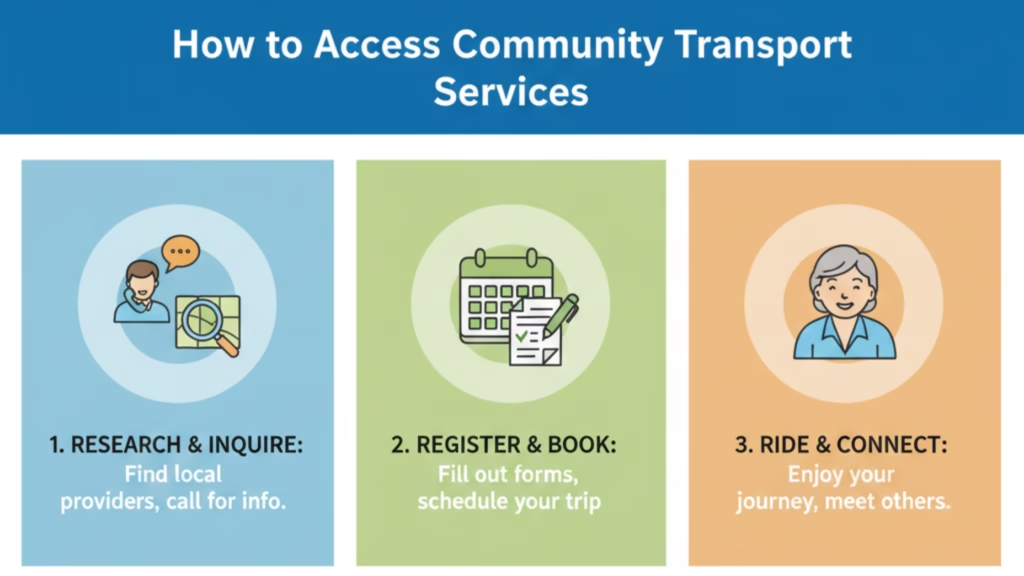
Getting started with Community Transport is simpler than you might think. Follow these simple steps:
Step 1: Check Your Eligibility
Contact your local community transport association or provider to discuss your needs and circumstances. Most services cater to seniors, pensioners, and people with accessibility needs.
Step 2: Complete an Assessment
The provider evaluates your transport requirements to match you with the most suitable service. This helps ensure you get the right level of support.
Step 3: Discuss NDIS Funding (If Applicable)
If you’re an NDIS participant, speak with your Local Area Coordinator or support coordinator about including disability transport services in your plan.
Step 4: Register with the Service
Complete the necessary paperwork and registration forms. This usually includes basic personal information and your transport needs.
Step 5: Book Your Trips
Once approved, you can book trips by calling the service provider, usually with at least 24-48 hours’ notice for individual bookings. Some services offer online booking for added convenience.
The Real Impact on Daily Life
Community Transport transforms lives in ways that statistics can’t fully capture. It’s the elderly gentleman who can now attend his weekly bowls club without burdening his daughter. It’s the young woman with cerebral palsy who commutes to her part-time job with confidence. It’s the isolated pensioner who reconnects with her church community after years of missing services.
These services restore something precious: choice. The choice to see your doctor when you need to, not when someone’s available to drive you. The choice to attend your grandchild’s school concert. The choice to remain an active, engaged member of your community.
Cost and Funding Options
Community transport services typically charge modest fees, significantly lower than commercial taxis. Many community transport association members operate on a not-for-profit basis, with costs heavily subsidised by government funding.
Funding Sources Include:
- NDIS funding – disability transport services covered through Core Supports or Capacity Building
- Commonwealth Home Support Programme – transport access through aged care packages
- State government subsidies – additional support for eligible residents
- Out-of-pocket fees – affordable co-payments for service use
Tips for Making the Most of Community Transport
To get the best experience from community transport services:
- Book early – Give at least 48 hours’ notice when possible
- Be ready on time – Have your belongings prepared before pickup
- Communicate clearly – Let drivers know about any special requirements
- Build relationships – Regular drivers become familiar faces
- Provide feedback – Help services improve by sharing your experience
Ready to Get Moving? Contact TK Community Care Today
At TK Community Care, we believe that everyone deserves the freedom to go where they want, when they want. We’re here to help you get the right service at the right time. Our Community Transport services are designed with your comfort, safety, and independence in mind.
Contact us today and stay connected to what matters the most.